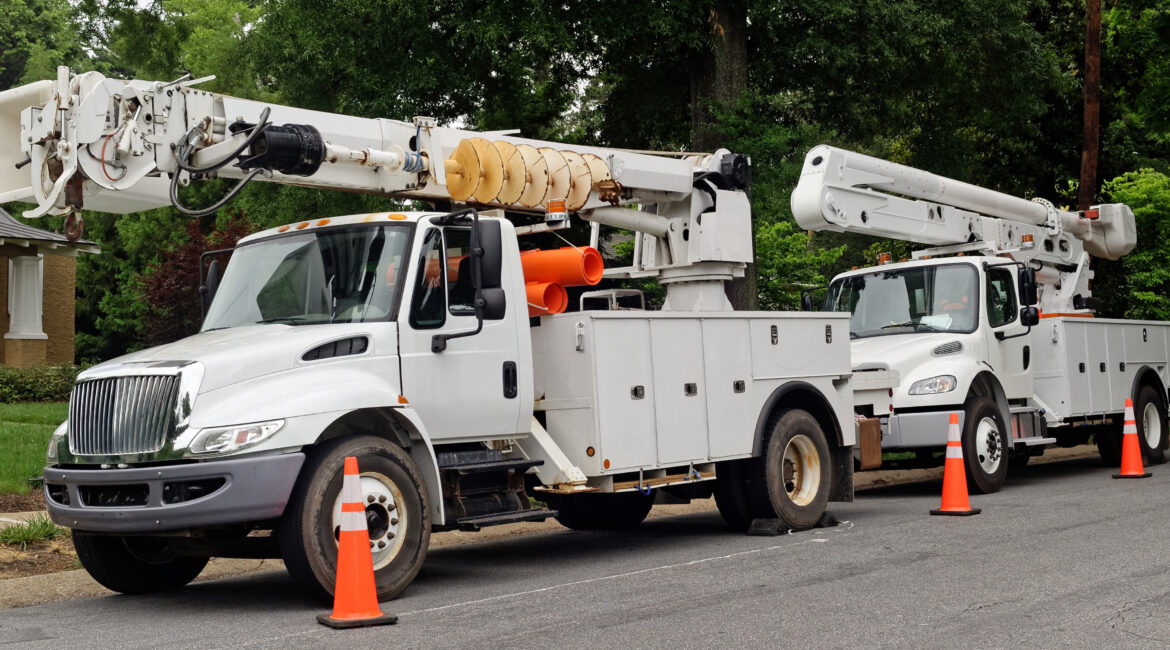
The utility industry was recently shaken by the tragic death of 21-year-old lineman apprentice Ryan Vargas in Texas. According to a WTOC 11 Report, Vargas was working on power lines from a bucket truck when an electrical arc flash occurred. Vargas and a co-worker were critically injured and transported to...
The Reality of HAZWOPER Work in California: Lessons from a Recent Hazmat Crash
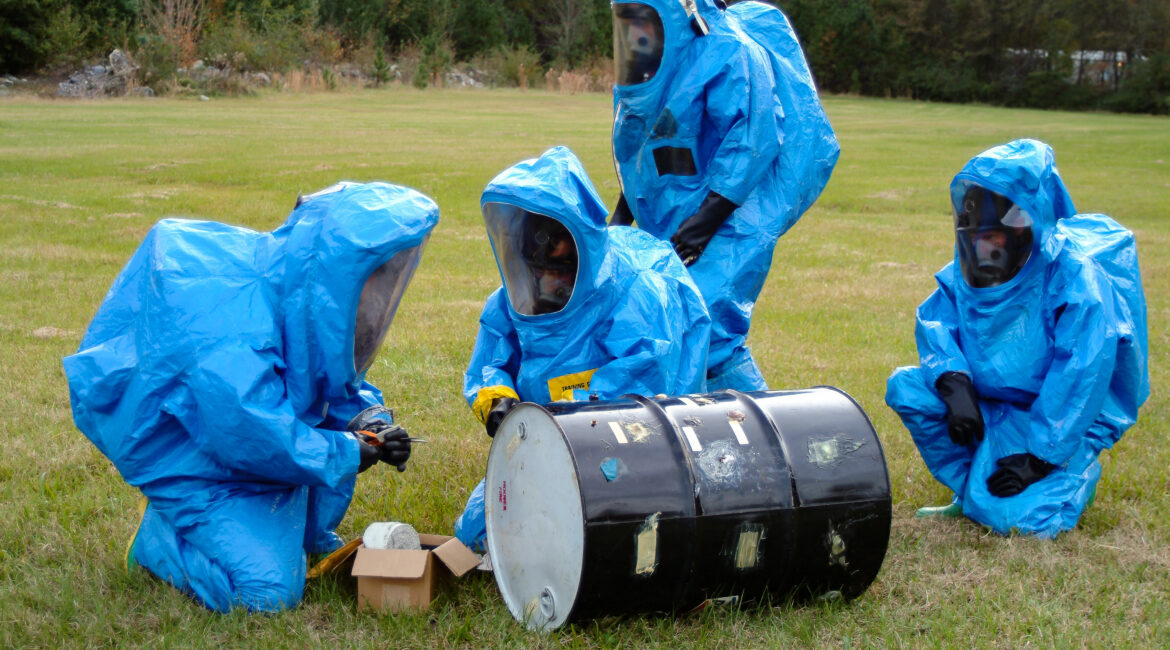
An Article by The Modesto Bee highlighted the real-life risks working in hazardous environments and the potential consequences of not being properly trained. In May 2026, a serious hazardous materials incident occurred on Interstate 5 near Patterson, California, when a tanker truck overturned, triggering a full hazmat emergency response. The...
The Importance of Lead Safety in California: Lessons from 2026
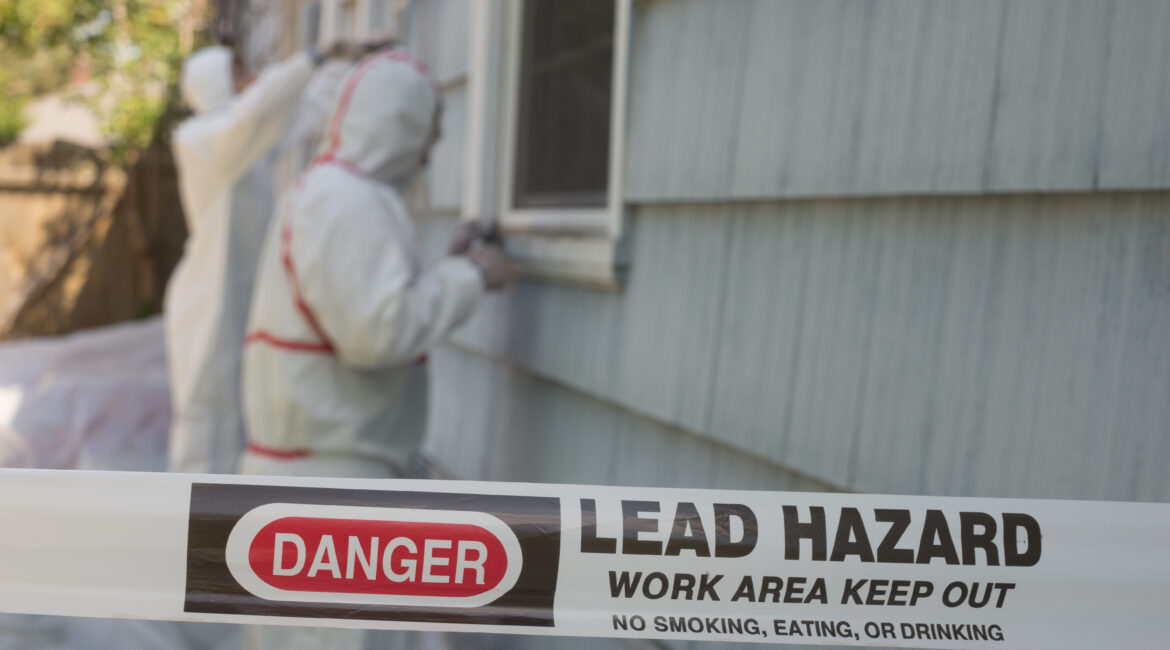
Lead exposure remains one of the most persistent and dangerous environmental health risks in California. Despite decades of regulation and millions of dollars invested in cleanup efforts, recent findings show that the problem is far from solved. A 2026 study from the University of California, Irvine highlights why safety, compliance,...
What Changed in California Labor Laws in 2026 And Why Safety Training Matters More Than Ever
California kicked off 2026 with sweeping labor law updates designed to strengthen worker protections, increase transparency, and hold employers more accountable than ever before. This is shown in an Article written by California Department of Industrial Relations, for businesses in construction, environmental services, and hazardous industries, these updates aren’t just...
The Hidden Danger After the Flames: Lead Exposure in California and Why Training Matters
When most people think of wildfire damage, they picture burned homes and destroyed neighborhoods. But a growing body of evidence, especially from a 2026 Associated Press News Report, reveals a far more dangerous and invisible threat: toxic lead contamination lingering long after the fire is out. This issue is not...
The Hidden Danger of Asbestos: Why Training is No Longer Optional
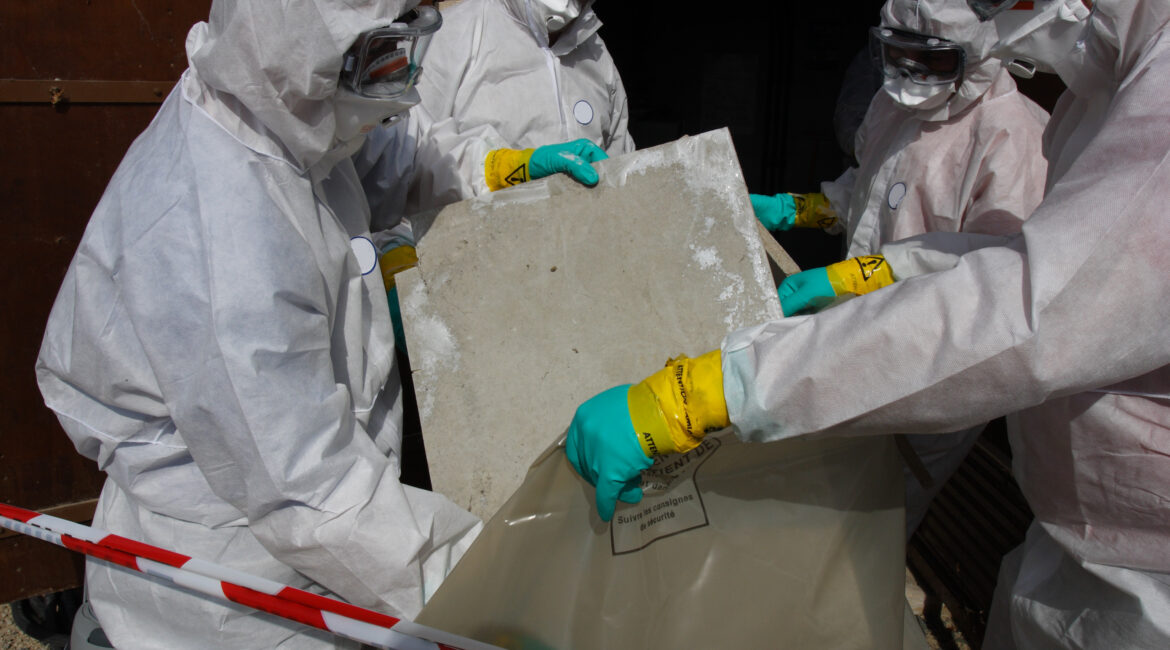
In 2026, asbestos is not just a legacy hazard, it’s still a real and ongoing threat in workplaces across the United States. The Asbestos Disease Awareness Organization states that in June 2026, the U.S. Court of Appeals for the Fifth Circuit will hear a major case, Texas Chemistry Council v....
California’s New Lead Safety Rules: What Happened and Why It Matters for Your Workforce
In 2026, California took a major step forward in workplace safety, especially when it comes to lead exposure, one of the most dangerous and often overlooked occupational hazards. A recent regulatory update highlighted by Haynes Boone in Cal/OSHA – Expected Outlook for 2026 reveals a clear message: lead exposure remains...
Form 300A Posting Deadline Has Passed! What Employers Should Do Now
The February 1, 2026 deadline to post your 2025 Form 300A (Summary of Work-Related Injuries and Illnesses) has now passed. If your organization has not posted the required summary, you may currently be out of compliance with California OSHA recordkeeping requirements. And because recordkeeping violations are among the most frequently...
California Tightens Confined Space Rules
Confined spaces have long been a major safety challenge in construction work. In California, the stakes for managing these hazards just got higher and rightly so. New Cal/OSHA confined space regulations took effect on January 1, 2026 and require employers to update how they identify, evaluate, control, communicate about, and...
Understanding OSHA’s Latest Safety Interpretations And How Proper Training Makes Workplaces Safer
On December 10, 2025, the U.S. Department of Labor’s Occupational Safety and Health Administration (OSHA) issued a set of official letters of interpretation designed to clarify how federal safety standards apply in real-world workplace scenarios. These interpretations help employers and safety professionals understand enforcement, compliance, and underlying regulatory intent, particularly...