
Lessons From a Tragic Bucket Truck Accident: Why Proper Training Saves Lives
The utility industry was recently shaken by the tragic death of 21-year-old lineman apprentice Ryan Vargas in Texas. According to a WTOC 11 Report, Vargas was working on power lines from a bucket truck when an electrical arc flash occurred. Vargas and a co-worker were critically injured and transported to a hospital, where Vargas later succumbed to his injuries. Friends, family, and coworkers described Vargas as a hardworking young man with a bright future in the line trade. The incident has sparked conversations throughout the industry about the dangers utility workers face every day, especially when operating bucket trucks around energized lines.
While investigations are still ongoing, tragedies like this are painful reminders that bucket truck operations are among the most hazardous tasks in the utility and construction industries. Electrical contact, improper setup, equipment failure, lack of hazard recognition, and inadequate training can all lead to devastating outcomes. Maintaining up-to-date safety training programs is not only critical for regulatory compliance, but also for protecting lives in the field. At NATEC International, our NATEC Bucket Truck Training Programs are continuously updated to reflect current OSHA and Cal/OSHA standards while incorporating real-world incident examples to reinforce hazard awareness and safe operating practices.
The Importance of Bucket Truck Training
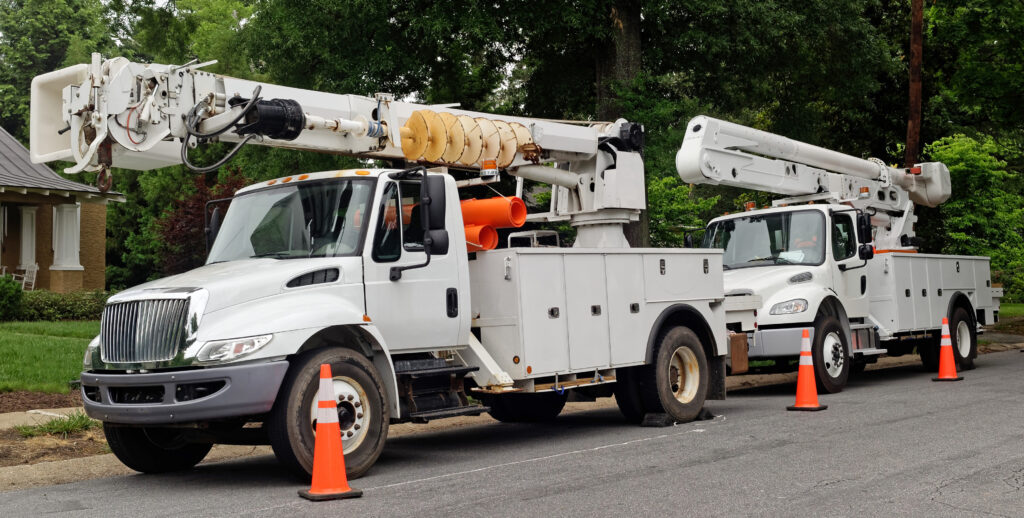
Bucket trucks are critical tools for utility, telecommunications, tree trimming, sign installation, and electrical work. However, these vehicles place operators in elevated positions near energized conductors, traffic hazards, and unstable ground conditions.
Without proper training, operators may not fully understand:
- Minimum approach distances (MAD) to energized lines
- Proper PPE and insulating equipment requirements
- Emergency lowering procedures
- Fall protection requirements
- Vehicle stabilization and outrigger setup
- Arc flash and electrocution hazards
- Daily inspections and equipment defect recognition
Even experienced workers can become complacent if safety procedures are not reinforced consistently. That is why ongoing operator qualification and refresher training are essential.
Why Employers Must Invest in Safety
Training is not just about compliance; it is about ensuring workers return home safely at the end of every shift.
Here is why comprehensive bucket truck safety training helps companies:
- Reduce serious injuries and fatalities
- Improve OSHA and Cal/OSHA compliance
- Lower liability exposure
- Increase operator confidence and awareness
- Build a stronger safety culture
- Protect equipment and reduce downtime
Incidents involving electrical contact and aerial lifts often happen in seconds, but the consequences can affect families, coworkers, and entire communities forever.
Three Important CCR Regulations for Bucket Truck Operators
California operators should also understand key Cal/OSHA CCR (California Code of Regulations) requirements related to aerial lifts and bucket trucks.
- CCR Title 8 §3646 — Operating Instructions (Elevating Work Platforms)
- This regulation outlines the required operating procedures for elevating work platforms and aerial devices. It emphasizes that operators must follow manufacturer instructions, conduct safe operation practices, and ensure equipment is used only for its intended purpose.
- CCR Title 8 §3640 — Maintenance and Repairs
- This regulation covers the inspection, maintenance, and repair requirements for elevating work platforms. It requires defective equipment to be removed from service until repairs are completed and helps ensure bucket trucks remain safe and mechanically sound for operation.
- CCR Title 8 §3645 — Stability on Inclined Surfaces
- This regulation addresses safe operation of aerial devices and elevating work platforms on slopes or uneven terrain. It establishes requirements for maintaining stability, proper positioning, and preventing tip-over hazards while operating bucket trucks on inclined surfaces.
NATEC Bucket Truck Training Programs
At NATEC International, we understand the real-world dangers operators face in the field. Our Bucket Truck Training Programs are designed to provide hands-on, practical instruction that prepares workers to safely operate aerial devices in demanding environments. We only hold private classes for bucket truck and we have privately held classes available for bucket truck at your location. Bucket Truck Specific Training is super important but if you and your company/employees are looking for training programs not specifically tied to bucket truck, we also offer our NATEC Fall Protection Training Programs.
Our NATEC Bucket Truck Training Programs cover:
- Safe bucket truck operation
- ANSI and OSHA compliance
- Electrical hazard awareness
- Fall protection requirements
- Pre-operational inspections
- Emergency procedures
- Outrigger setup and stabilization
- Operator evaluations and certification
NATEC instructors bring industry experience directly into the classroom and field exercises, helping operators recognize hazards before incidents occur. Whether your team works in utilities, telecommunications, tree care, municipalities, or electrical contracting, proper training can make the difference between a safe workday and a tragedy.
Safety Must Always Come First
The loss of Ryan Vargas is a heartbreaking reminder of how dangerous line work can be and why proper training, hazard awareness, and compliance matter every day on the job. No family should have to receive the call that a loved one is not coming home from work. By investing in high-quality bucket truck safety training, employers can help prevent future tragedies and ensure operators have the knowledge and confidence needed to work safely around some of the most dangerous conditions in the industry. At NATEC International, our NATEC Bucket Truck Training Programs and our NATEC Fall Protection Training Programs are built to help operators recognize hazards, follow critical safety procedures, and stay compliant with OSHA and Cal/OSHA standards before accidents happen. Investing in professional hands-on training today can protect your workforce tomorrow, because safety is not just a requirement; it is a responsibility.