
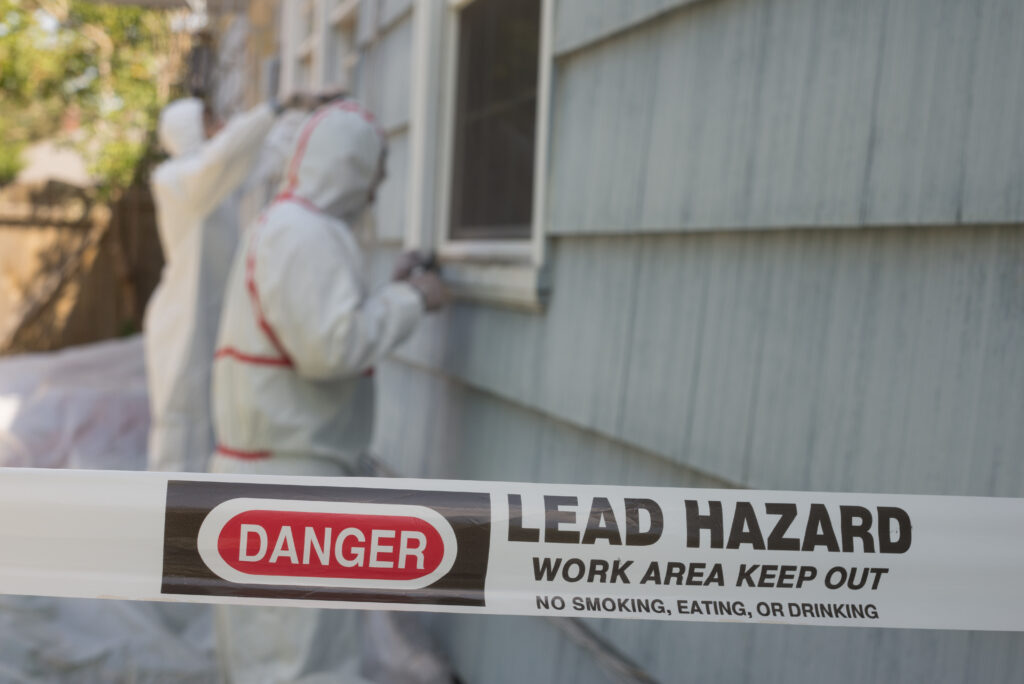
The Importance of Lead Safety in California: Lessons from 2026
Lead exposure remains one of the most persistent and dangerous environmental health risks in California. Despite decades of regulation and millions of dollars invested in cleanup efforts, recent findings show that the problem is far from solved. A 2026 study from the University of California, Irvine highlights why safety, compliance, and proper training are more critical than ever when working with or around lead. That’s why it’s important to always be safe and start off right with the right training program, such as our NATEC Lead Training Programs.
What the 2026 UC Irvine Study Reveals
A groundbreaking article published by University of California, Irvine in April 2026 uncovered alarming realities about lead contamination in Los Angeles communities.
The study found that:
- Nearly 70% of homes previously “cleaned” still had dangerous lead levels, according to a 2026 study from the University of California, Irvine.
- Lead contamination extended beyond official cleanup zones, impacting even more neighborhoods.
- Average soil lead levels reached 215 ppm, exceeding typical residential safety screening levels.
- Communities most affected were low-income, predominantly Latino neighborhoods with children at higher risk.
Overall, the situation revealed significant concerns about how the cleanup operation was designed and verified. This study exposes a critical truth: declaring a site “safe” does not guarantee safety. Without proper verification, oversight, and trained professionals, hazardous lead exposure can persist long after remediation efforts.
Why Lead Safety Matters
Lead is a powerful neurotoxin that affects nearly every system in the body. Its impacts are especially severe in children, causing:
- Developmental delays.
- Reduced IQ and learning disabilities.
- Behavioral issues.
- Long-term neurological damage.
Because lead dust can remain in soil, homes, and workplaces for decades, workers in construction, demolition, environmental cleanup, and renovation are at high risk if safety protocols are not strictly followed.
3 Critical CCR Regulations for Lead Safety in California
To protect workers and the public, California enforces strict regulations under the California Code of Regulations (CCR). Here are three essential requirements:
1. CCR Title 8 §1532.1 – Lead Exposure in Construction
- This is the primary OSHA standard for lead safety in construction. The key requirements include:
- Exposure assessment and air monitoring.
- Use of respiratory protection and PPE.
- Engineering controls (ventilation, containment).
- Medical surveillance for exposed workers.
- This regulation governs training and certification. The key requirements include:
- Workers must be state-certified to perform lead-related construction.
- Supervisors must complete approved lead training programs.
- Accreditation of training providers is mandatory.
3. CCR Title 8 §5198(b) – Lead Exposure Standard (Employee Summary)
- Lead exposure in the workplace is strictly regulated to protect employee health. The key requirements include:
- Permissible exposure limit (PEL) compliance
- Employee exposure to airborne lead must not exceed the permissible exposure limit (PEL) of 10 µg/m³ over an 8-hour workday.
- Initial and ongoing exposure monitoring
- Employers must assess workplace air levels and determine if employees are exposed above the action level.
- Identification of high-risk employees
- Monitoring must focus on workers who are likely to have the highest exposure to lead.
- Implementation of exposure control measures
- Engineering controls, work practices, and protective measures must be used to reduce lead exposure.
- Worker protection and health safeguards
- Regulations are designed to prevent both immediate and long-term health effects from lead exposure.
- Permissible exposure limit (PEL) compliance
The Role of Training: Why It’s Non-Negotiable
The UC Irvine study makes one thing clear: inadequate oversight and lack of proper procedures can lead to widespread public health failures. Having a compliant, up-to-date training program ensures that workers:
- Understand how to identify lead hazards.
- Use correct containment and removal techniques.
- Protect themselves and surrounding communities.
- Comply with state and federal regulations.
Without proper training, even well-funded cleanup efforts can fail, as demonstrated in the 2026 study from the University of California, Irvine.
Why Choose NATEC Lead Training Programs
At NATEC International, we recognize that effective lead safety starts with education and hands-on training.
Our NATEC Lead Training Programs are designed to:
- Meet California CCR Title 17 certification requirements.
- Provide real-world, practical instruction from industry experts.
- Prepare workers for safe, compliant lead handling and remediation.
- Support contractors, supervisors, and environmental professionals.
What sets NATEC apart:
- State-approved curriculum.
- Experienced instructors.
- Flexible training options (in-person and onsite).
- Proven track record in environmental safety training.
The lesson from 2026 is simple, lead safety isn’t a checkbox, it’s a responsibility. The difference between risk and protection comes down to the choices made before work even begins. Make the choice that puts safety first, sets the standard, and earns trust where it matters most. Sign up today for our NATEC Lead Training Programs and help keep you and your employees prepared for anything.