
Lead Exposure Lessons from California’s Exide Cleanup: Why Strong Lead Training Programs Matter
For years, many people assumed the closure of the former Exide battery recycling facility in Vernon, California ended a major environmental and occupational hazard. However, recent reporting suggests the impact may still be present long after operations stopped. According to a recent Los Angeles Times investigation, elevated lead contamination remains in some residential areas despite years of cleanup efforts. The former plant operated for decades, processing lead-acid batteries and releasing lead-containing dust into surrounding communities. The lesson extends far beyond one facility.
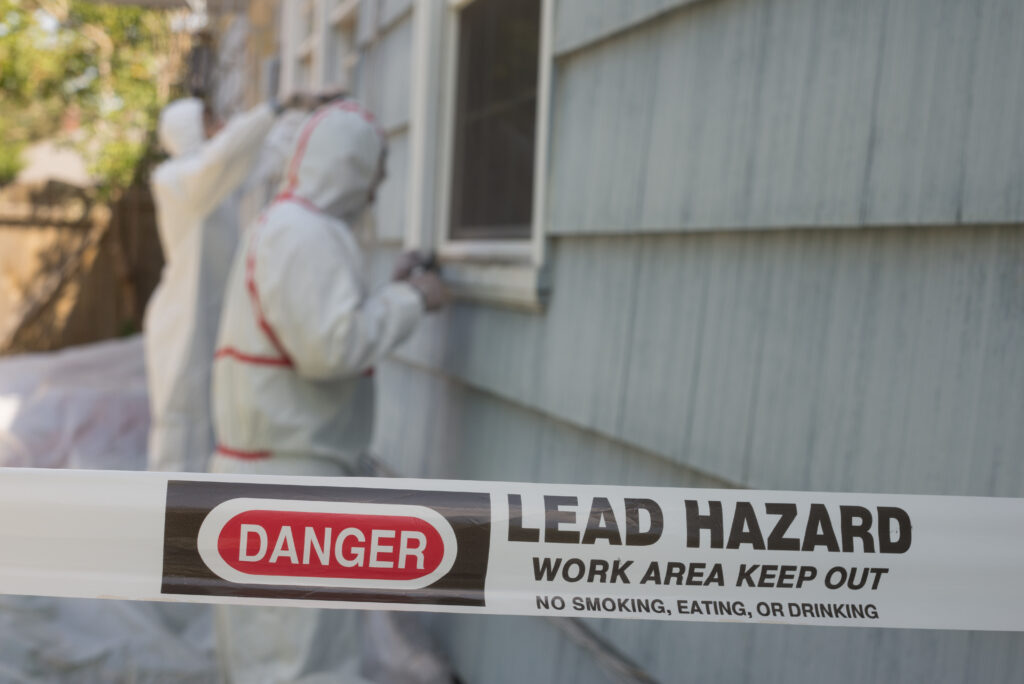
Lead hazards do not simply disappear when a project ends or a facility closes. Exposure can continue affecting workers, families, communities, and future generations if hazards are not recognized and controlled from the start. Whether the work involves demolition, abrasive blasting, renovation, industrial maintenance, battery recycling, or structural steel work, lead remains one of the most serious occupational exposure risks in construction and industry. That is why it is crucial to maintain an up-to-date Lead Training Program and stay informed about current regulations. At NATEC, our Lead Training Programs are designed to empower employers and employees through real-world examples and practical instruction that helps organizations stay ahead of Cal/OSHA and CCR regulatory changes.
Lead Exposure Is More Than a Compliance Issue
Lead affects nearly every organ system in the body. Workers exposed to airborne lead or contaminated dust may experience:
- Neurological effects
- Reproductive health impacts
- Kidney damage
- Cardiovascular issues
- Long-term cognitive impairment
- Take-home contamination affecting family members
The Exide story demonstrates that contamination can persist for years and that corrective actions after exposure are significantly more expensive and difficult than prevention. Strong training programs are not paperwork exercises; they are frontline exposure prevention tools.
Three California CCR Regulations Every Employer Should Understand
California employers and workers involved with lead-related work should understand the following regulations:
1. Title 8 CCR §1532.1 – Lead in Construction
- This regulation applies to construction activities where workers may encounter lead exposure. It includes requirements for exposure assessment, engineering controls, respirators, housekeeping, hygiene practices, and employee training. California has updated lead-related requirements in recent years, including revisions affecting worker protections and exposure requirements.
2. Title 8 CCR §5198 – Lead (General Industry)
- This standard covers workplaces outside construction and establishes exposure limits, medical surveillance, hygiene requirements, warning labels, and monitoring obligations. Employers must ensure worker exposures remain below established limits and implement protective measures when necessary.
3. Title 8 CCR Appendix A to §1532.1 – Substance Data Sheet for Occupational Exposure to Lead
- This appendix provides important information regarding health effects, exposure pathways, and employee education requirements. Understanding the health impacts behind the regulation helps workers recognize why protective measures matter.
Training Is the Difference Between Exposure and Prevention
Regulations establish minimum requirements. Effective training builds competency.
Workers need more than a classroom overview. They need to understand:
- How lead enters the body
- Exposure monitoring procedures
- Safe work practices
- Engineering controls
- Respiratory protection requirements
- Decontamination procedures
- Hazard recognition and communication
- Emergency response procedures
Without practical training, even well-written programs can fail.
How NATEC Helps Organizations Build Strong Lead Safety Programs
At NATEC International, our lead awareness and lead compliance training programs are designed around real-world applications, not just regulatory checklists.
NATEC programs help organizations:
- Help meet regulatory requirements
- Build worker competency and confidence
- Improve hazard recognition skills
- Reduce exposure risks
- Strengthen safety culture
- Prepare employees for field conditions
Our instructors bring practical industry experience into every course, helping workers understand not just what regulations require, but why they matter. The Exide cleanup reminds us that exposure prevention cannot wait until contamination is discovered. Effective lead programs begin before work starts with education, planning, and competent training. The cost of inadequate lead training is measured in more than citations. It can affect workers, communities, and generations to come. Regulations create the minimum standard; exceptional training creates safer outcomes. NATEC’s industry-driven Lead Training Programs equip workers with practical field knowledge, hazard recognition skills, and the confidence to identify and control exposure risks before they become incidents. Build a workforce that is prepared, protected, and proactive by partnering with NATEC and our Lead Training Programs today.