
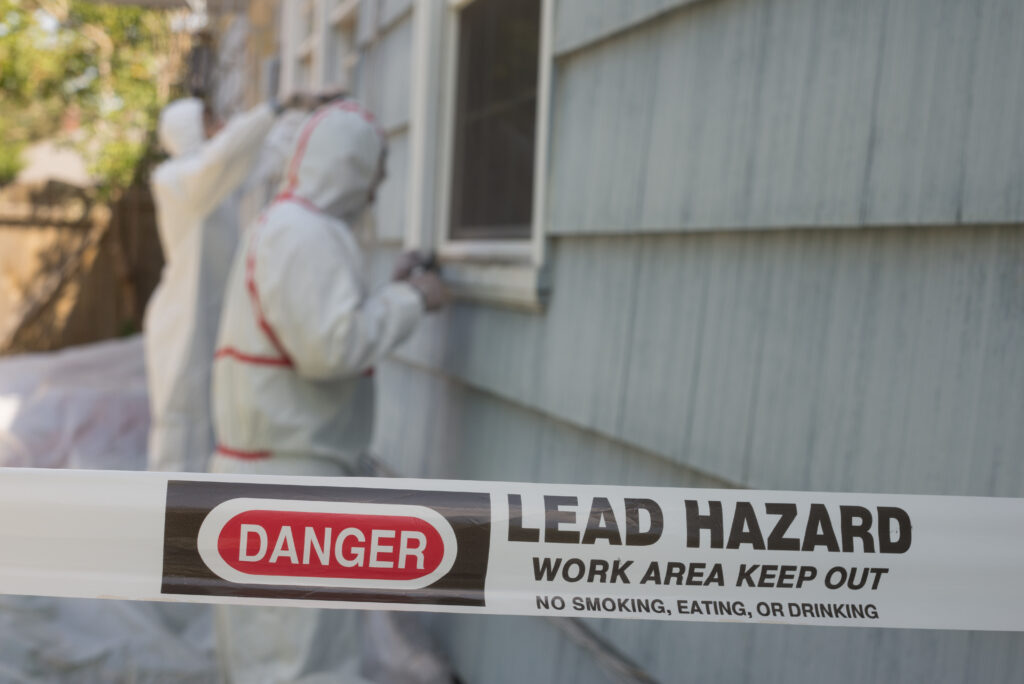
Yellowstone Lead Poisoning Lawsuit Highlights Why Lead Safety Training Matters More Than Ever
Recent reports highlighted in an SFGATE Article involving alleged lead poisoning in employee housing at Yellowstone National Park serve as a powerful reminder that lead hazards remain a serious occupational and public health concern—even in places where many people may not expect them. A lawsuit filed by a former Yellowstone employee alleges that his family, including young children, suffered lead exposure while living in historic park housing. According to the report, the family resided in a home that allegedly contained deteriorating lead-based paint, and subsequent testing found evidence of lead exposure among family members. The lawsuit further claims that proper disclosures and remediation efforts were not completed, while additional whistleblower reports have raised concerns about potential ongoing lead hazards in other park housing units.
While the legal proceedings are still ongoing, the situation highlights a critical reality: lead hazards continue to exist in older buildings, infrastructure, and facilities throughout the United States. Without proper awareness, training, and compliance programs, workers, residents, and their families can be placed at risk. This is why comprehensive lead safety training and compliance programs are essential for protecting workers and preventing exposure incidents. That is why it is extremely important to have a great safety program for lead work like our NATEC Lead Training Programs.
Why Lead Exposure Remains a Serious Hazard
Lead is a toxic metal that can cause significant health effects when inhaled or ingested. Workers involved in renovation, demolition, painting, construction, maintenance, and environmental remediation activities may unknowingly disturb lead-containing materials and generate hazardous dust.
Even low levels of lead exposure can result in:
- Neurological and cognitive impairment
- Reduced concentration and memory function
- Kidney damage
- Reproductive health effects
- Elevated blood lead levels
- Developmental issues in children
Because lead dust is often invisible, workers may not realize they have been exposed until health effects begin to appear. In many cases, contamination can also be carried home on clothing, tools, or equipment, potentially exposing family members.
The Importance of a Comprehensive Lead Training Program
One of the most effective ways to prevent lead exposure is through proper training.
A quality lead training program teaches workers how to:
- Recognize lead-containing materials
- Understand exposure pathways
- Follow safe work practices
- Use engineering controls and personal protective equipment (PPE)
- Prevent contamination of vehicles, homes, and work areas
- Comply with federal and California regulations
- Understand medical surveillance and exposure monitoring requirements
Training helps workers identify hazards before exposure occurs and gives employers confidence that their teams are working safely and in compliance with regulatory requirements.
How NATEC Helps Protect Workers and Employers
At NATEC International, we understand that lead compliance is about more than checking a regulatory box; it is about protecting lives. Our Lead Training Programs are designed to provide practical, real-world instruction that workers can immediately apply in the field. Courses cover:
- Lead hazard recognition
- OSHA and Cal/OSHA requirements
- Exposure assessment
- Safe work practices
- Respiratory protection
- Personal protective equipment
- Decontamination procedures
- Waste handling requirements
- Worker rights and employer responsibilities
Whether your organization performs renovation work, demolition, environmental remediation, industrial maintenance, or construction activities, NATEC provides the training needed to help maintain compliance and reduce risk.
Three California Regulations Every Lead Worker Should Know
1. Title 8 CCR Section 1532.1 – Lead in Construction
- This regulation governs occupational lead exposure in construction activities and establishes requirements for exposure assessments, respiratory protection, protective clothing, medical surveillance, and employee training. The regulation specifically requires lead training before initial assignment and annual refresher training for covered employees.
2. Title 8 CCR Section 5198 – Lead in General Industry
- This standard applies to workers exposed to lead outside the construction industry. It establishes California’s permissible exposure limit (PEL), medical surveillance requirements, training obligations, and protective measures employers must implement to protect workers from lead exposure.
3. Title 8 CCR Section 5155 – Airborne Contaminants
- Section 5155 establishes exposure limits for airborne contaminants, including lead, and provides the framework for evaluating airborne exposures and determining compliance with occupational exposure standards. Proper exposure monitoring is a critical component of any lead safety program.
Lessons from Yellowstone
The allegations emerging from Yellowstone demonstrate that lead hazards can remain hidden for decades if they are not properly identified, monitored, and managed. Historic buildings, aging infrastructure, and renovation projects continue to present potential risks across the country. For employers, the lesson is clear: proactive lead management and employee training are essential. For workers, understanding lead hazards and following safe work practices can help prevent exposures that may have lifelong consequences. Investing in quality lead training is not simply a regulatory requirement; it is a commitment to protecting workers, families, and communities.
Ready to Strengthen Your Lead Compliance Program?
NATEC International offers comprehensive Lead Awareness, Lead Worker, Supervisor, and Regulatory Compliance training programs designed to help organizations meet Cal/OSHA and federal requirements while protecting their workforce. When it comes to lead exposure, prevention starts with training. Contact NATEC today to learn how our NATEC Lead Training Programs can help your organization protect workers, maintain compliance, and reduce lead exposure risks.