
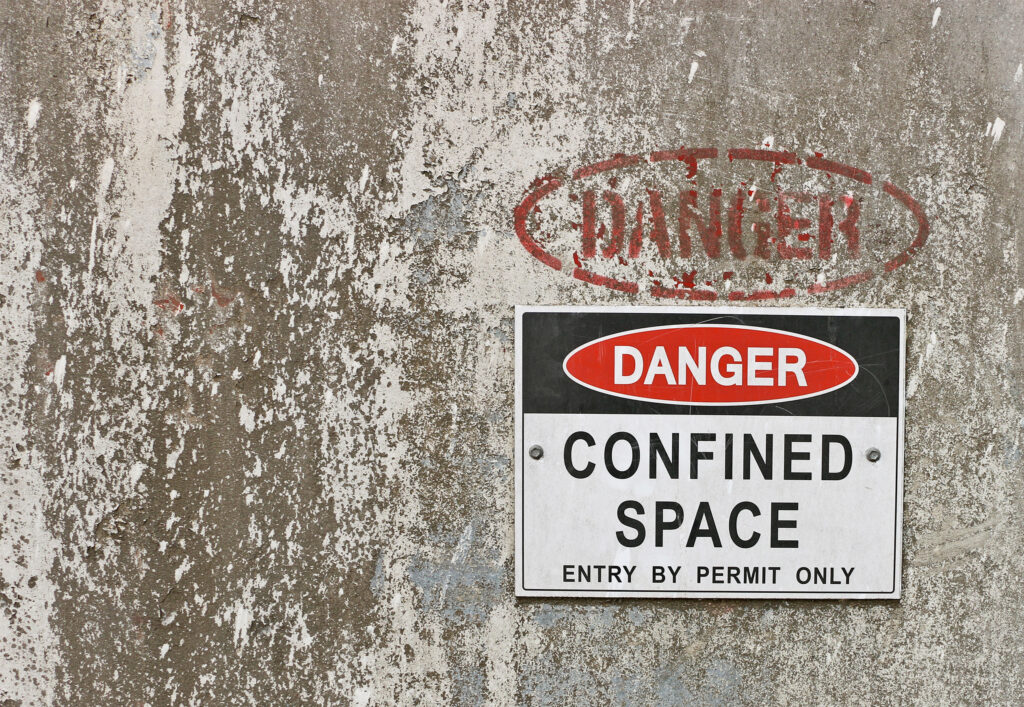
Confined Space Safety Failures Continue to Cost Lives: Why Proper Training Matters
A recent tragedy in Florida is another reminder that confined space hazards remain one of the deadliest risks in industrial and maintenance work. From an article written by Occupational Health & Safety, the U.S. Department of Labor and OSHA, a petroleum tank services contractor was cited after a worker died from exposure to toxic chemicals while working inside a fuel storage tank in Lake Worth, Florida. OSHA investigators found the employer failed to implement a permit-required confined space entry program, did not properly evaluate atmospheric hazards, and allowed employees to enter the tank without adequate respiratory protection. The agency issued 12 serious violations and proposed significant financial penalties. The investigation revealed that workers were exposed to dangerous concentrations of benzene and toluene, highly toxic vapors commonly associated with petroleum products. Without atmospheric testing, ventilation, rescue procedures, and proper training, the confined space quickly became deadly. That is why it’s extremely important to have training programs that are designed to give real-world examples and incidents that may occur on or near the job site, like our NATEC Confined Space Training Program.
The Importance of Confined Space Training Programs
Confined spaces present unique and rapidly changing hazards that can overwhelm workers within seconds. Oxygen deficiency, toxic atmospheres, flammable vapors, engulfment hazards, and limited rescue access all create an environment where mistakes can become fatal almost immediately.
A comprehensive confined space training program helps employers and employees:
- Identify permit-required confined spaces
- Recognize atmospheric and physical hazards
- Properly use gas detection equipment
- Understand entry permit procedures
- Implement ventilation and lockout/tagout practices
- Establish rescue and emergency response plans
- Meet OSHA and California regulatory compliance requirements
Many confined space fatalities occur because workers underestimate the hazards or lack the training needed to recognize dangerous conditions before entry. In many cases, secondary fatalities happen when untrained coworkers attempt rescue without proper equipment or procedures.
Training is not simply about compliance; it is about ensuring every worker goes home safely.
Important California CCR Regulations for Confined Space Work
For employers and workers operating in California, understanding Cal/OSHA confined space regulations is critical. Three important California Code of Regulations (CCR) sections include:
1. California CCR Title 8 §5157 — Permit-Required Confined Spaces
- This regulation outlines requirements for identifying permit-required confined spaces, atmospheric testing, entry permits, rescue procedures, employee training, and hazard control methods.
2. California CCR Title 8 §3203 — Injury and Illness Prevention Program (IIPP)
- Employers must maintain an effective safety program that identifies workplace hazards, provides employee training, and ensures corrective actions are implemented for confined space operations.
3. California CCR Title 8 §5144 — Respiratory Protection
- When atmospheric hazards exist, employers must implement a written respiratory protection program, provide medical evaluations, fit testing, and ensure proper respirator use and training. Understanding and applying these regulations can significantly reduce the risk of serious injury or fatality during confined space entry operations.
According to OSHA, many confined space fatalities involve would-be rescuers who were not properly trained or equipped, reinforcing the importance of comprehensive safety education and rescue preparedness.
Why Companies Choose NATEC for Confined Space Training
At NATEC International, we understand that confined space safety requires more than checking a compliance box. Our confined space training programs are designed to provide workers and supervisors with practical, hands-on knowledge that prepares them for real-world hazards.
Our programs help organizations:
- Maintain OSHA and Cal/OSHA compliance
- Improve hazard recognition
- Strengthen rescue preparedness
- Reduce workplace incidents and liabilities
- Build a stronger safety culture
NATEC offers training for:
- Permit-required confined space entry
- Confined space rescue
- Atmospheric monitoring
- Competent person and supervisor responsibilities
- Site-specific safety solutions
The recent Florida fatality demonstrates exactly why proper confined space procedures, hazard assessments, and employee training cannot be overlooked. One missed step can have devastating consequences. Companies that invest in high-quality confined space training not only protect their employees, but also strengthen compliance, reduce liability, and build a proactive safety culture. Our NATEC Confined Space Training Program is designed to provide real-world, hands-on instruction that prepares workers and supervisors to recognize hazards before incidents occur. Don’t wait for an OSHA citation or workplace tragedy to expose gaps in your safety program. Partner with NATEC today to ensure your team has the knowledge, confidence, and training needed to work safely in confined spaces.