
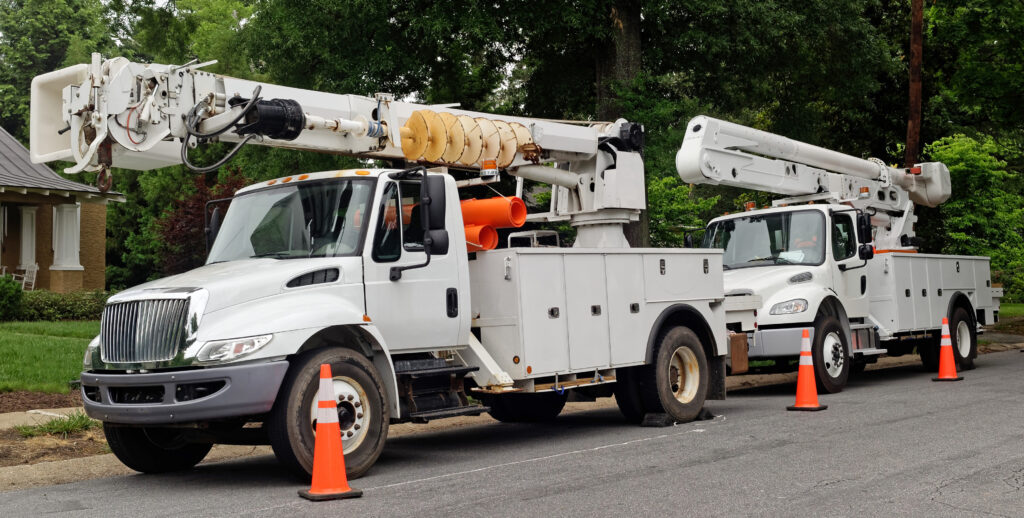
When Seconds Matter: A Real-World Wake-Up Call
On March 22, 2026, a routine morning quickly turned into a near-tragedy on the I-10 bridge in Lake Charles, Louisiana. According to a report by WAFB, a chain-reaction crash involving multiple vehicles left debris scattered across the roadway. As emergency responders worked the scene, a bucket truck driver attempted to avoid the hazards, only to lose control and drive off the side of the bridge.
Miraculously, the driver survived. But the incident highlights a critical truth: even experienced operators are vulnerable when safety protocols, hazard awareness, and training aren’t fully optimized. That’s why our NATEC Bucket Truck Training Programs are designed to accordance with current Cal/OSHA regulations and industry best practices.
The Hidden Risks of Bucket Truck Operation
Operating a bucket truck is not just another driving task; it combines heavy equipment handling, elevated work, and dynamic jobsite hazards.
Some of the most common risks include:
- Sudden roadway hazards (like debris or unexpected traffic incidents)
- Loss of vehicle control due to weight distribution or elevation setup
- When required by jobsite conditions to ensure safety, trucks used in construction or industrial operations must be equipped with audible warning devices to alert workers and prevent struck-by hazards.
- Working at height with fall exposure
- To ensure safety, a personal fall protection system, such as a body belt or harness with a lanyard, must be worn and properly attached to the boom or basket when working from an aerial lift.
- Electrical hazards when working near power lines
- To ensure safety, work performed near energized overhead high-voltage lines must maintain minimum clearance distances and prevent accidental contact through proper controls such as de-energizing, guarding, or insulating the lines.
In the Lake Charles incident, the driver’s instinct to avoid danger actually led to a more severe outcome. This demonstrates how split-second decisions require proper training and situational awareness.
Why Safety Training Is Non-Negotiable
The difference between a near-miss and a fatal accident often comes down to preparation. Proper bucket truck safety training equips operators with:
1. Hazard Recognition Skills
- Understanding how to anticipate and assess risks, like roadway debris or unstable surfaces, before they become emergencies.
2. Defensive Driving for Utility Vehicles
- Training emphasizes controlled responses, helping operators avoid overcorrection or panic maneuvers.
3. Emergency Response Protocols
- Knowing what to do when something goes wrong can prevent escalation:
- Maintain control vs. abrupt swerving
- Proper braking techniques
- Safe positioning of the vehicle
4. Fall Protection & Equipment Use
- Operators learn to properly use harnesses, inspect equipment, and maintain stability while elevated.
5. Real-World Scenario Training
- The most effective programs simulate situations like:
- Traffic incidents
- Equipment failure
Environmental hazards
Turning Lessons Into Prevention
In real life, like the Lake Charles crash, the conditions are rarely ideal. The key takeaway from this incident isn’t just what happened; it’s what could have prevented it. Had conditions been assessed earlier or alternative safety protocols implemented, the outcome might have been different. That’s why companies must move beyond compliance and embrace proactive safety culture.
Elevate Your Safety Standards with NATEC International
At NATEC International, we don’t just teach safety, we prepare your team for reality. Our Bucket Truck Training Programs are designed to:
- Reinforce OSHA-compliant safety practices
- Provide hands-on, scenario-based training
- Improve operator decision-making under pressure
- Reduce accidents, downtime, and liability
- Build a culture where safety is second nature, not an afterthought
Whether your team is new to bucket trucks or experienced in the field, continuous training ensures they are ready for the unexpected.
Final Thoughts
The Lake Charles bridge accident serves as a powerful reminder that safety isn’t just about following rules, it’s about being prepared for the moment things go wrong. Investing in proper training isn’t just a requirement, it’s a responsibility.
If you’re serious about protecting your crew, your equipment, and your reputation, it’s time to elevate your training standards with NATEC International’s Bucket Truck Training Programs.